
Wedding photography styles encompass a variety of approaches that capture the essence of a couple’s special day. From the classic elegance of traditional photography to the candid moments of photojournalism and the artistic flair of fine art, each style offers its unique charm. Understanding these styles empowers couples to choose a photography approach that aligns with their personalities and wedding vision.
This guide delves into the pros and cons of each photography style, helping couples navigate their options. Additionally, we’ll explore how architectural elements of popular wedding venues can influence these styles, and discuss trends that are reshaping the wedding photography landscape.
Wedding Photography Styles
Wedding photography is an essential aspect of capturing the magic of a couple’s special day. The choice of photography style can greatly influence the overall aesthetic of the wedding album. Couples should consider how each style aligns with their personality and the vibe they want to convey in their photos. Various styles are available, each with its own characteristics, making the selection process both exciting and challenging.
Traditional Photography Style
Traditional wedding photography focuses on posed shots, typically featuring the couple, their families, and the wedding party. This style is characterized by its formal arrangements and classic compositions. Couples often appreciate this approach for its timelessness and clear portrayal of the day’s significant moments.Pros of Traditional Photography:
- Offers structured, well-composed images that ensure everyone is pictured.
- Provides a formal record of key moments, such as ceremonies and family portraits.
Cons of Traditional Photography:
- Can feel stiff or overly posed, lacking spontaneity.
- May not reflect the natural emotions and candid moments of the day.
Photojournalism Photography Style
Photojournalism captures events as they unfold, focusing on candid moments and genuine emotions. This documentary-style approach tells a story through images, often resulting in a more authentic representation of the wedding day.Pros of Photojournalism Photography:
- Provides a narrative quality, showcasing the day’s events in a dynamic way.
- Captures candid moments that reflect the couple’s true emotions and interactions.
Cons of Photojournalism Photography:
- May miss some of the traditional posed shots that couples desire.
- Relies heavily on the photographer’s ability to anticipate moments.
Fine Art Photography Style
Fine art wedding photography emphasizes artistic expression and creative composition. This style often features unique angles, lighting, and post-production techniques to create visually stunning images.Pros of Fine Art Photography:
- Offers a unique artistic vision, often resulting in breathtaking imagery.
- Allows for creative expression, showcasing the couple’s personality in a distinctive way.
Cons of Fine Art Photography:
- May prioritize aesthetics over traditional documentation of moments.
- Can lead to a less comprehensive record of the day’s events.
Choosing a Photography Style
Selecting the right photography style begins by understanding the couple’s preferences and personalities. It’s important for couples to reflect on what aspects of their wedding day are most significant to them.When choosing a photography style, consider the following tips:
- Identify your vision: Think about the emotions and moments you want captured.
- Review portfolios: Look at various photographers’ portfolios to see which style resonates with you.
- Discuss with your partner: Have open conversations about your preferences and expectations.
- Meet with photographers: Schedule consultations to gauge their personality and approach.
- Consider the venue: Some styles may work better with certain venue aesthetics.
“The best wedding photography captures the essence of the couple’s love story.”
Related Aspects of Real Estate in Wedding Venues
Wedding venues serve as the backdrop for one of the most memorable days in a couple’s life, and their architectural styles can significantly influence the photography that captures these moments. The selection of a venue not only reflects personal taste but also plays a crucial role in how the wedding day unfolds, particularly in the context of real estate and photography.The relationship between real estate and wedding venues is multifaceted, revolving around unique architectural styles, the role of real estate agents, and how staging can enhance the visual appeal of a venue.
Understanding these aspects can help couples make informed decisions that align with their vision for their special day.
Popular Wedding Venues and Their Architectural Styles
The architectural style of a wedding venue can profoundly affect the aesthetic of wedding photography. Different styles offer varying backdrops that can enhance the overall theme and mood of the event. Here are some common types of wedding venues and their architectural features:
- Rustic Barns: These venues often feature wooden beams and open spaces, creating a cozy, intimate atmosphere perfect for candid photography that captures genuine emotions.
- Luxury Hotels: Ornate decorations and elegant ballrooms provide a sophisticated backdrop, often featuring grand chandeliers and stylish furnishings, ideal for formal portraits.
- Historic Mansions: With their vintage charm, detailed woodwork, and expansive gardens, these venues add a timeless quality to wedding photos.
- Beachfront Properties: The natural light and stunning ocean views create a picturesque setting, enhancing the vibrancy of outdoor photography.
Role of Real Estate Agents in Securing Unique Wedding Venues
Real estate agents can play a vital role in helping couples discover unique wedding venues that align with their dreams. These professionals possess an in-depth knowledge of the real estate market, including properties that may not be widely advertised as wedding venues. Their expertise can facilitate the following:
- Personalized Search: Agents can tailor their search based on the couple’s preferences and budget, ensuring they find a venue that suits their specific needs.
- Negotiation Skills: They can assist in negotiations with venue owners, potentially securing better pricing or flexible package deals.
- Local Insights: Agents often have connections with local vendors such as caterers, florists, and photographers, which can streamline the planning process.
Home Staging Techniques to Enhance Venue Appeal
Home staging techniques can significantly enhance the visual appeal of a wedding venue, making it more attractive for couples and photographers alike. Effective staging emphasizes the venue’s best features, creating a welcoming atmosphere. Key techniques include:
- Decluttering: Removing unnecessary items helps create a clean, open space that allows for greater focus on the venue’s architecture.
- Strategic Furniture Placement: Arranging furniture to create cozy conversation areas can enhance the overall ambiance, inviting guests to mingle.
- Decorative Touches: Adding elements such as fresh flowers, stylish linens, and tasteful lighting can elevate the venue’s aesthetic, making it more photogenic.
- Utilizing Natural Light: Highlighting spaces with ample natural light can improve the quality of photographs and create a warm, inviting environment.
Trends in Wedding Photography and Real Estate
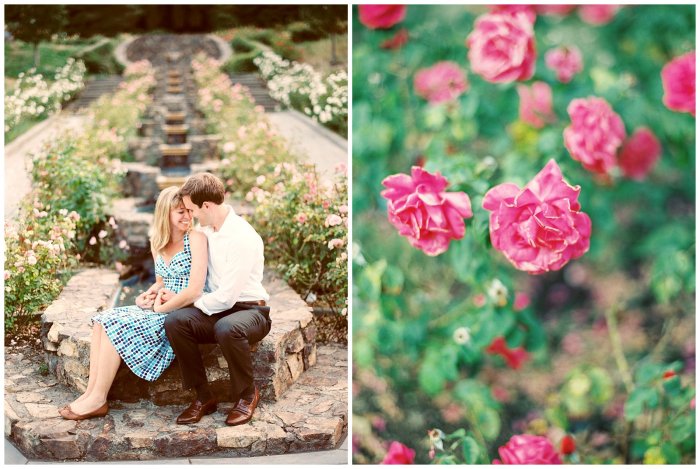
The landscape of wedding photography and real estate is evolving, influenced by changing preferences and a greater emphasis on sustainability. Modern couples are increasingly gravitating towards unique venues that reflect their personalities and values, leading to new trends in photography styles and venue types that highlight these shifts. One prominent trend is the rise of outdoor weddings, which has transformed the way photographers capture these special moments.
Outdoor settings provide natural lighting, expansive backdrops, and a more relaxed atmosphere, all of which can enhance the visual storytelling of a wedding. Environments such as gardens, beaches, and mountains not only serve as stunning canvases for photographs but also align with the current appreciation for nature and the outdoors.
Impact of Outdoor Weddings on Photography
Outdoor weddings allow for a diverse range of photography styles and opportunities that can greatly enhance the final images. Photographers often find that:
- Natural light plays a crucial role in achieving beautiful, soft images, reducing the need for extensive editing.
- Outdoor elements such as trees, water bodies, and landscapes create dynamic compositions and charming backdrops.
- Couples can incorporate personal touches, like outdoor decor or themed settings, into their photos, capturing the essence of their relationship.
As the trend towards outdoor weddings continues, there is an increasing intersection with eco-friendly real estate and venues. Couples are looking for venues that not only match their aesthetic but also adhere to sustainable practices.
Green Real Estate and Eco-Friendly Wedding Venues
The connection between eco-friendly wedding venues and green real estate reflects a growing awareness of environmental impacts. Couples are now considering venues that promote sustainability through various practices such as:
- Utilizing locally sourced and organic materials for decorations and catering.
- Implementing waste reduction strategies such as composting and recycling.
- Selecting locations that are energy-efficient or powered by renewable resources.
Such venues not only provide unique photographic opportunities but also resonate with socially conscious couples who want to make a positive impact on the environment.
Comparison of Traditional Venues and Modern Eco-Friendly Venues
To better illustrate the differences between traditional wedding venues and modern eco-friendly options, the following table compares key aspects related to wedding photography.
| Aspect | Traditional Venues | Modern Eco-Friendly Venues |
|---|---|---|
| Aesthetic Appeal | Classic architecture and formal settings | Natural landscapes, organic decor, and rustic charm |
| Photographic Opportunities | Controlled lighting and defined areas | Dynamic backdrops with varying light conditions |
| Sustainability Practices | Limited eco-friendly initiatives | Comprehensive sustainable practices (local sourcing, waste reduction) |
| Cultural Significance | Often rooted in tradition | Reflects modern values and social consciousness |
Closure
In conclusion, selecting the right wedding photography style is a crucial step in ensuring that the memories of your special day are captured beautifully. By understanding the different styles and considering the aspects of your chosen venue, you can make an informed decision that reflects your personal taste. Ultimately, the goal is to create lasting memories that you can cherish for a lifetime.
FAQ Compilation
What are the main wedding photography styles?
The main wedding photography styles include traditional, photojournalism, and fine art, each with unique characteristics and approaches to capturing moments.
How can I choose the right photography style for my wedding?
Consider your personality, the mood you want to convey, and how you envision your wedding day being captured. Review portfolios and discuss preferences with photographers.
What is the difference between photojournalistic and traditional photography?
Photojournalistic photography focuses on candid moments and storytelling, while traditional photography typically involves posed shots and formal compositions.
Are outdoor weddings better for photography?
Outdoor weddings often provide natural lighting and beautiful backdrops, making them popular choices for stunning photography.
How do real estate aspects affect wedding photography?
The architecture and atmosphere of wedding venues can significantly influence photography styles, impacting everything from lighting to the overall aesthetic.


