
With Direct marketing ROI tracking at the forefront, businesses are unlocking the potential to maximize their marketing efforts. This critical aspect of marketing allows organizations to assess the effectiveness of their campaigns, ensuring that every dollar spent generates the highest return possible.
Understanding ROI in direct marketing not only highlights the importance of tracking results but also provides valuable insights into consumer behavior. By implementing effective measurement methods and utilizing specialized tools, businesses can refine their strategies, leading to more successful marketing initiatives.
Understanding Direct Marketing ROI Tracking
Direct marketing ROI tracking is a crucial aspect of evaluating the success of marketing efforts. It provides insights into the effectiveness of campaigns by measuring the return on investment generated from direct marketing initiatives. Understanding ROI in this context enables businesses to make informed decisions about their marketing strategies, allocate resources wisely, and optimize future campaigns for better performance.ROI, or return on investment, in direct marketing refers to the financial return a business gains from its marketing expenditures.
Calculating ROI is essential because it helps organizations assess whether the money spent on marketing activities is yielding a sufficient return. A high ROI indicates that a campaign has effectively engaged its target audience and generated profit, whereas a low ROI suggests the need for adjustments in strategy or spending.
Methods to Measure ROI Effectively
To measure ROI effectively in various marketing campaigns, businesses can use several methods. Each method provides a unique perspective on performance, allowing for comprehensive analysis.
1. Basic ROI Formula
The simplest way to calculate ROI is using the formula:
ROI = (Net Profit / Cost of Investment) x 100
This gives a percentage that indicates the profitability of the campaign.
2. Customer Lifetime Value (CLV)
This method considers the total revenue generated from a customer during their relationship with the business. By comparing CLV to the cost of acquiring that customer, businesses can obtain a more holistic view of ROI.
3. Attribution Modeling
This approach assigns value to different touchpoints in the customer journey, helping to understand which marketing channels contribute most to conversions. It allows businesses to identify effective channels and optimize their spending accordingly.
4. Marketing Mix Modeling (MMM)
This statistical analysis examines the effectiveness of various marketing channels over time. By analyzing historical data, businesses can forecast future performance and make data-driven decisions.
5. A/B Testing
Implementing A/B tests can help marketers compare the performance of different campaign elements. By measuring conversion rates among variations, businesses can pinpoint what works best and optimize their ROI.
Tools and Software for Tracking ROI
Utilizing the right tools and software can significantly enhance the ability to track ROI in direct marketing efforts. These instruments enable marketers to gather and analyze data effectively.
Google Analytics
A powerful tool for tracking website traffic and conversions, Google Analytics provides insights into user behavior, allowing marketers to measure the effectiveness of their campaigns in real-time.
Customer Relationship Management (CRM) Systems
CRMs like Salesforce and HubSpot allow businesses to track customer interactions and sales data. This information aids in calculating ROI by linking marketing activities to sales results.
Email Marketing Platforms
Tools such as Mailchimp and Constant Contact offer detailed analytics on email campaigns, including open rates, click-through rates, and conversions, which help assess the ROI of email marketing efforts.
Social Media Analytics Tools
Platforms like Hootsuite and Sprout Social help track engagement and conversion metrics across social media campaigns, enabling marketers to measure the effectiveness of their social strategies.
Marketing Analytics Software
Solutions like Tableau or Adobe Analytics provide advanced data visualization and analysis capabilities, making it easier to track and report on marketing performance and ROI.By leveraging these methods and tools, businesses can gain deeper insights into their marketing performance, ensuring more strategic and effective investment in future campaigns.
Direct Marketing Strategies for Real Estate Professionals
Direct marketing is an effective way for real estate professionals to engage potential buyers and sellers directly. By employing targeted strategies, agents can connect with their audience in a meaningful way, ultimately driving sales and enhancing brand visibility in a competitive market. This approach not only allows for personalized communication but also helps in tracking the effectiveness of marketing efforts through ROI assessments.Real estate agents can leverage various direct marketing techniques to maximize their outreach.
These strategies should be tailored to meet the unique needs of their market and clients. Understanding the importance of a well-planned campaign is essential for success in this domain.
Techniques for Implementing Direct Marketing Strategies
To successfully implement direct marketing strategies, real estate professionals can adopt the following techniques:
- Email Marketing: Using targeted email campaigns to share listings, market updates, and valuable content helps maintain a connection with potential clients. Personalization and segmentation can greatly enhance engagement.
- Direct Mail Campaigns: Sending postcards, brochures, or newsletters to specific neighborhoods can build brand awareness. Incorporating attractive visuals and compelling calls-to-action can drive responses.
- Social Media Advertising: Utilizing platforms like Facebook and Instagram for targeted ads allows agents to reach specific demographics. High-quality images and engaging content can capture the attention of prospective buyers.
- Online Webinars and Virtual Tours: Hosting webinars or virtual open houses provides potential clients with valuable insights and showcases properties effectively. This interactive approach can lead to increased interest and inquiries.
- Referral Programs: Encouraging satisfied clients to refer friends or family can expand the client base. Offering incentives for referrals fosters a network of recommendations that is invaluable in real estate.
Assessing ROI for Direct Marketing in Real Estate Transactions
Evaluating the return on investment (ROI) for direct marketing initiatives in real estate is crucial. This assessment helps agents understand the effectiveness of their marketing efforts and make informed decisions. ROI can be calculated using the formula:
ROI = (Net Profit / Cost of Investment) x 100
To assess ROI effectively, agents should consider several key factors:
- Tracking Sales and Inquiries: Keeping detailed records of sales generated from specific campaigns and tracking inquiries can provide insights into which strategies yield the best results.
- Cost Analysis: Understanding the costs associated with each marketing channel, including materials, distribution, and advertising fees, allows for a clearer picture of overall expenditure.
- Lead Conversion Rates: Measuring the percentage of leads that convert into actual sales can reveal the effectiveness of the marketing strategy and identify areas for improvement.
- Client Feedback: Gathering feedback from clients about how they heard about the services can help attribute sales to particular marketing efforts, aiding in future strategy development.
Designing a Direct Marketing Campaign for Real Estate
When designing a direct marketing campaign for building homes or buying real estate, it is essential to create a structured plan that incorporates various elements to ensure effectiveness. Consider the following steps:
- Define Target Audience: Identify the demographic and geographic characteristics of your ideal clients to tailor the messaging and channels accordingly.
- Set Clear Objectives: Establish what you want to achieve with the campaign, whether it’s generating leads, increasing website traffic, or selling specific properties.
- Create Engaging Content: Develop high-quality content that highlights the features and benefits of the properties you are marketing. Use storytelling techniques to connect emotionally with the audience.
- Select Marketing Channels: Choose appropriate channels based on where your target audience spends their time. This could include social media, email, local events, or traditional advertising.
- Monitor and Adjust: Continuously track the performance of the campaign. Use analytics to measure success and be prepared to adjust strategies as needed to improve results.
Case Studies on Direct Marketing ROI in Real Estate
Direct marketing has proven to be a powerful tool for real estate professionals, yielding impressive returns on investment (ROI) through targeted campaigns. By examining successful case studies, we can understand how strategic marketing efforts lead to substantial financial outcomes. This section delves into specific examples, highlighting the financial impacts of direct marketing campaigns and comparing results across different market segments.
Successful Direct Marketing Campaigns
Numerous real estate agents and investors have adopted innovative direct marketing strategies that have generated remarkable results. Here are a few notable case studies demonstrating the effectiveness of these campaigns:
Residential Property Campaign by Jane Doe Realty
Jane Doe Realty implemented a direct mail campaign targeting homeowners in a suburban neighborhood. The campaign featured personalized postcards showcasing recently sold properties and current market trends. The total investment for the campaign was approximately $5,000. Within three months, the agency received 15 new listings and closed sales totaling $2.1 million. This resulted in an ROI of 420%.
Commercial Real Estate Investor’s Targeted Email Campaign
A commercial real estate investor focused on retail spaces launched an email marketing campaign aimed at local business owners. The emails contained valuable content about leasing options and market insights. With an investment of $2,000, the investor secured two leases, generating a total revenue of $150,000. This campaign resulted in an ROI of 7,500%.
Luxury Property Direct Marketing by Luxury Homes Inc.
Luxury Homes Inc. executed a high-end direct marketing campaign featuring beautifully designed brochures and upscale direct mail pieces sent to affluent neighborhoods. The cost of the campaign was $10,000, but it led to the sale of three luxury homes, each priced at over $1 million. The total sales from the campaign amounted to $3.5 million, yielding an ROI of 350%.These examples underline the significant financial impact that well-planned direct marketing campaigns can have in real estate.
Comparative Analysis of Commercial and Residential Direct Marketing Results
Direct marketing outcomes can vary greatly between residential and commercial real estate sectors. Understanding these differences is crucial for tailoring marketing strategies effectively.The following points highlight the contrasting results:
Market Size and Reach
Residential campaigns often target larger audiences compared to commercial campaigns, which may focus on niche segments. This can lead to more extensive engagement in residential marketing.
Investment Costs
Typically, residential marketing campaigns require lower upfront investments than commercial ones. For instance, postcard campaigns for residential properties can be executed for a few thousand dollars, while commercial campaigns may involve higher costs due to specialized content and design.
Sales Cycle Duration
The sales cycle for residential properties tends to be shorter than for commercial properties. This difference affects how quickly ROI can be realized. For example, residential listings often sell within months, while commercial leases can take a year or more to finalize.
Revenue Potential
While commercial real estate deals often involve larger sums, resulting in higher individual transaction values, the overall volume of transactions in the residential market can lead to greater cumulative revenue.These points illustrate the importance of customizing direct marketing strategies based on the segment being targeted. Understanding the dynamics of each market can enhance the efficacy of marketing efforts and optimize ROI.
Last Point
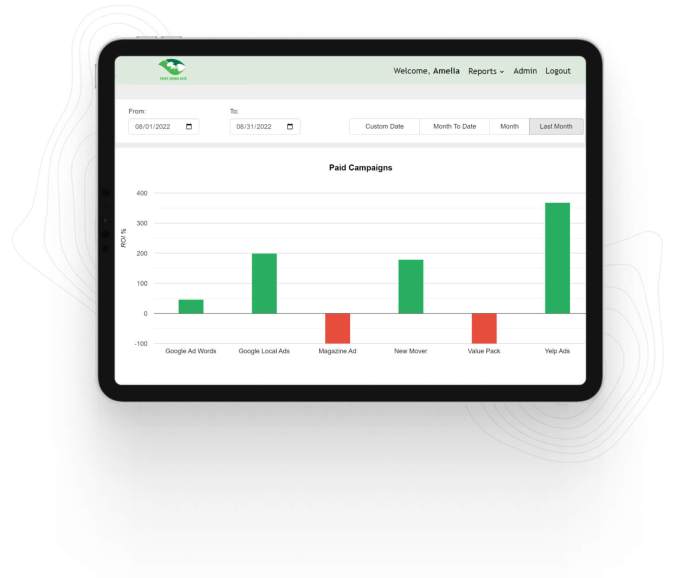
In summary, mastering Direct marketing ROI tracking equips real estate professionals and marketers alike with the necessary tools to optimize their campaigns. By analyzing case studies and leveraging proven strategies, organizations can enhance their direct marketing efforts, ultimately driving better financial outcomes and fostering long-term growth.
FAQ Corner
What is direct marketing ROI tracking?
Direct marketing ROI tracking is the process of measuring the return on investment from direct marketing campaigns to assess their effectiveness.
Why is ROI tracking important in marketing?
ROI tracking helps businesses understand the financial impact of their marketing efforts, allowing for better decision-making and resource allocation.
What tools can help with ROI tracking?
Tools such as Google Analytics, CRM systems, and specialized marketing software can assist in tracking and measuring ROI.
How can real estate agents use ROI tracking?
Real estate agents can evaluate the success of their direct marketing campaigns by measuring leads generated, sales conversions, and overall financial returns.
What are common mistakes in tracking ROI?
Common mistakes include not setting clear objectives, failing to track all relevant metrics, and not using the right tools for analysis.


