
Beginning with Mailing list performance analytics, the narrative unfolds in a compelling and distinctive manner, drawing readers into a story that promises to be both engaging and uniquely memorable.
This topic delves into the essential metrics for gauging the efficacy of your mailing list efforts, examining how open rates, click-through rates, and segmentation play critical roles in enhancing subscriber engagement, especially within the real estate sector.
Understanding Mailing List Performance Metrics
To effectively measure the success of your mailing lists, it’s crucial to understand the key performance metrics that contribute to overall engagement and conversion. These metrics provide valuable insights into how your audience interacts with your content, enabling you to refine your strategies for better results.The primary metrics for assessing mailing list performance include open rates, click-through rates (CTR), and engagement levels.
Each of these indicators plays a pivotal role in understanding how your audience is responding to your emails. Tracking and analyzing these metrics help identify trends, optimize content, and enhance communication strategies.
Critical Metrics for Measuring Mailing List Performance
Understanding the significance of open rates and click-through rates is vital for gauging the impact of your email campaigns. Here are some methods to track and analyze these essential metrics:
Open Rates
This metric indicates the percentage of recipients who opened your email. To track open rates, ensure your email marketing platform has tracking enabled, which typically uses an invisible pixel embedded in your emails. Many platforms provide a straightforward dashboard to visualize this data.
Click-Through Rates (CTR)
This measures the percentage of users who clicked on one or more links within your email. To analyze CTR, use UTM parameters in your links, allowing you to track user interaction through Google Analytics or similar tools.
Engagement Rates
This includes various actions taken by the recipient such as forwarding, replying, or clicking on links. High engagement rates indicate that your content resonates with your audience.
Importance of Segmentation in Improving Engagement Rates
Segmentation allows you to categorize your audience based on specific criteria, leading to more tailored and relevant communications. Implementing segmentation can significantly enhance engagement rates by ensuring that the right messages reach the right people. By segmenting your mailing list, you can improve engagement in the following ways:
Personalized Content
Tailoring emails to specific segments based on demographics, behaviors, or past interactions can increase relevance and open rates.
Targeted Campaigns
Sending specialized content to different segments ensures that recipients receive information that aligns with their interests or needs, leading to higher CTR.
Behavioral Triggers
Utilizing segmentation to send automated messages based on user behavior (like abandoning a cart) can dramatically boost conversion rates.Implementing these strategies will not only enhance the effectiveness of your email campaigns but also foster stronger relationships with your audience.
Strategies for Enhancing Mailing List Performance
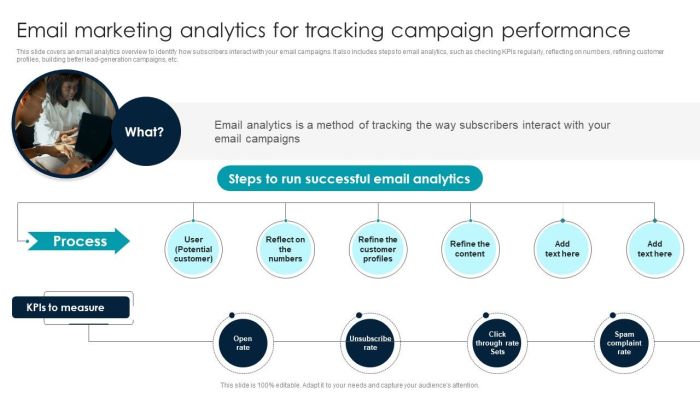
Increasing subscriber engagement and improving mailing list performance is essential for effective communication, particularly in sectors such as real estate. By implementing targeted strategies, you can keep your audience interested and encourage them to interact more frequently with your emails. Here, we explore various methods to enhance your mailing list’s overall effectiveness and ensure your messages resonate with your subscribers.
Increasing Subscriber Engagement
Engagement is vital for maintaining an active and responsive mailing list. To foster this, consider the following approaches that can create a more engaging experience for your subscribers:
- Segment Your Audience: Divide your mailing list into smaller groups based on demographics, interests, or behaviors. Tailoring content to specific segments can enhance relevance and connection.
- Personalize Communication: Use the subscriber’s name and reference their preferences in your emails. Personalized messages foster a stronger relationship and encourage interaction.
- Encourage Feedback: Actively ask for feedback through surveys or polls. Incorporating subscriber opinions can enhance your offerings and make subscribers feel valued.
- Provide Exclusive Content: Share insider tips, market trends, or exclusive listings that are only available to your mailing list subscribers. This creates a sense of privilege and encourages continued engagement.
- Utilize Interactive Elements: Incorporate elements like quizzes or clickable content that require subscriber interaction. This not only engages but also provides insights into subscriber preferences.
Creating Compelling Email Content for Real Estate Audiences
Crafting effective email content tailored to real estate audiences requires understanding their needs and interests. Here are key elements to consider:
- Visual Appeal: Use high-quality images of properties and neighborhoods. Visual content is crucial in real estate, helping to capture attention and convey the essence of listings.
- Informative Subject Lines: Choose subject lines that accurately reflect the email content while piquing curiosity. For instance, “Discover Your Dream Home in Downtown” creates intrigue.
- Clear Calls-to-Action (CTAs): Each email should have a clear and compelling CTA, guiding readers towards the next steps, whether it’s scheduling a viewing or downloading a guide.
- Educational Information: Provide articles or tips related to home buying, selling, or market insights. Educating your audience positions you as an expert and builds trust.
- Storytelling: Share success stories or client testimonials that resonate with potential buyers. Highlighting real experiences can inspire trust and motivate action.
Optimizing Email Subject Lines
The subject line is the first impression subscribers have of your email, making it crucial for open rates. Here are effective techniques for optimizing your subject lines:
- Keep It Short and Sweet: Aim for 6-10 words that convey the main point. Conciseness enhances readability and captures attention.
- Use Actionable Language: Employ verbs that inspire action, such as “Explore,” “Discover,” or “Join.” This encourages subscribers to engage with the content.
- Incorporate Numbers: Subject lines with numbers, like “5 Tips for First-Time Buyers,” often perform better as they promise structured information.
- Create Urgency: Words like “Limited Time Offer” or “Last Chance” can motivate subscribers to open emails promptly, fearing they might miss out.
- Test Variations: A/B testing different subject lines can reveal what resonates best with your audience. Experiment with different formats and styles to discover optimal performance.
Real Estate-Specific Mailing List Tactics
In the competitive world of real estate, leveraging mailing lists can significantly enhance marketing efforts. These targeted strategies can help real estate agents and developers reach their intended audiences effectively, whether they’re promoting residential homes, commercial properties, or green real estate options. Below, we explore tailored tactics designed specifically for this industry.
Targeting Real Estate Agents and Realtors
Developing a targeted mailing list of real estate agents and realtors requires specific strategies. Here are key approaches that can optimize your campaign:
- Segmented Lists: Create separate mailing lists for different types of professionals, such as residential agents, commercial brokers, and property managers, to tailor your messaging accordingly.
- Networking Events: Gather contacts from industry events and local real estate meetups. Use these opportunities to collect business cards and permission-based email addresses.
- Online Platforms: Utilize platforms like LinkedIn and real estate forums to identify and engage with potential mailing list subscribers. Aim to provide valuable content to encourage sign-ups.
- Referral Programs: Encourage your existing subscribers to refer other real estate professionals to your mailing list, offering incentives for successful referrals.
Designing a Campaign for Promoting Building Homes and Commercial Properties
A well-structured mailing list campaign can serve as a powerful tool for promoting new builds and commercial properties. Consider the following elements:
- Visual Appeal: Use high-quality images of the properties alongside engaging descriptions to capture the attention of your audience. This visual representation can significantly influence decision-making.
- Clear Call-to-Action (CTA): Each mailing should include a clear and compelling CTA, encouraging recipients to visit a website, schedule a tour, or attend an open house event.
- Market Insights: Include relevant market data and statistics about the local real estate landscape to establish credibility and authority in your communication.
- Exclusive Offerings: Promote exclusive opportunities such as early access to new listings or special pricing for subscribers, adding value to being on the mailing list.
Utilizing Mailing Lists to Market Green Real Estate and Investments
As sustainability continues to gain traction, targeting environmentally conscious buyers through mailing lists can be particularly effective. Develop a focused strategy with the following components:
- Educational Content: Provide informative articles on the benefits of green real estate, sustainable building practices, and energy-efficient home features to position yourself as an expert.
- Highlight Incentives: Include information about tax incentives, grants, or financing options available for green properties, making it easier for potential buyers to see the financial advantages.
- Success Stories: Share case studies of successful green property transactions to illustrate the appeal and value of sustainable investments.
- Community Engagement: Promote community events focused on sustainability or green living, fostering a sense of community among your subscribers and potential clients.
“Effective mailing strategies can transform how real estate professionals engage with their audiences, turning prospects into loyal clients.”
Final Wrap-Up
In conclusion, understanding and improving mailing list performance analytics is vital for any real estate professional seeking to maximize their marketing efforts. By leveraging effective strategies and real estate-specific tactics, you can foster deeper connections with your audience and drive greater success in your campaigns.
General Inquiries
What are the key metrics for mailing list performance?
The key metrics include open rates, click-through rates, bounce rates, and unsubscribe rates, all of which help gauge engagement and effectiveness.
How can I improve my email open rates?
Improving open rates can be achieved by crafting compelling subject lines, personalizing emails, and optimizing send times.
What is segmentation and why is it important?
Segmentation involves dividing your mailing list based on specific criteria, allowing for targeted messaging that resonates better with different audience segments.
What best practices should I follow for email content?
Best practices include keeping content concise, using engaging visuals, and including clear calls to action that align with your audience’s interests.
How often should I send emails to my mailing list?
Sending emails once a week or bi-weekly is generally effective, but the frequency should be tailored to your audience’s preferences and engagement levels.


